Strategic Reach: How to Connect with the Right Communities, Every Time

Reaching Your Community Isn’t Just About Sending a Message, It’s About Making Every Interaction Count.
When it comes to community engagement, “reach” is more than just sending emails or posting flyers. True reach is strategic, intentional, and data-informed—it’s about connecting with the right people, in the right way, so every interaction contributes to meaningful participation.
While inclusive outreach practices provide helpful tools for lowering barriers to engagement (see our previous post on inclusive outreach), strategic reach is what transforms good intentions into measurable results.
While inclusivity sets the stage, strategy determines how your efforts translate into measurable engagement with the community. The following five approaches offer a clear, practical framework to plan and focus your outreach so it truly connects with your community.
1. Set Clear Goals Before You Engage
The first step to strategic reach is defining what success looks like. Are you aiming to raise awareness, drive participation, or ensure a diversity of voices is represented?
Clear goals help focus your efforts, align teams, and measure impact.
Remember: reach is only valuable if it informs decision-making. This ensures your outreach isn’t just activity, but a contribution to meaningful outcomes for your community.
2. Understand and Segment Your Audience
A broad message sent to everyone rarely resonates. Strategic reach starts with knowing your audience. Who is most impacted by your project? Who has been historically underrepresented?
The PublicInput CRM is designed to make this step easier. By tracking past interactions, project involvement, and demographic information, the CRM helps you segment your community meaningfully.
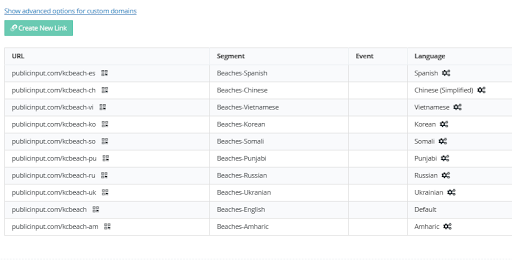
For example, you might tailor outreach by neighborhood, language preference, or previous participation levels—ensuring every message lands where it’s most relevant.
3. Identify Gaps and Opportunities
Once you understand your audience, it’s time to find the gaps. Are there communities who haven’t been heard? Areas where participation has been low?
Equity Mapping can help you visualize these opportunities. By overlaying demographic, geographic, and environmental data, you can see where engagement is strong—and where you need to focus more attention.
This insight allows agencies to prioritize efforts and make strategic, equitable decisions.
4. Design Multi-Channel, Inclusive Tactics
Strategic reach requires delivering your message through the right channels. That might mean using:
- Social media campaigns for younger residents
- Email or text notifications for frequently engaged participants
- Flyers, local media, or community partner networks to reach underserved audiences
PublicInput also connects agencies to a network of trusted community-based organizations (CBOs), helping amplify your outreach and ensure your messages reach residents who might otherwise be missed.
The Engagement Hub centralizes these tactics in one place, making it easier to manage notifications, multilingual tools, and project information—ensuring your outreach is both broad and meaningful.
5. Monitor, Adjust, and Measure
Even the best-laid plans need refinement. Strategic reach is iterative: track your metrics, assess the diversity of participants, and adjust tactics in real-time.
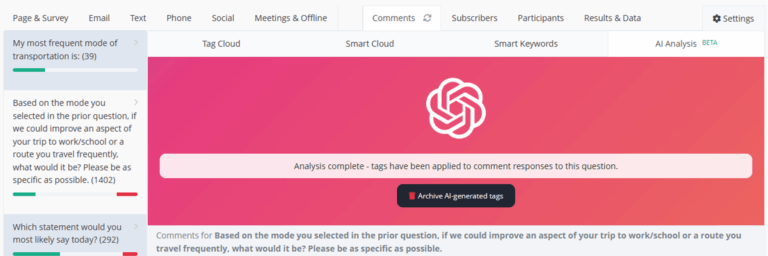
PublicInput’s GPT powered analytics tools help teams monitor engagement, analyze representation, and optimize outreach so that each campaign builds on the last.
The Strategic Advantage
Reach isn’t about casting the widest net, it’s about connecting intentionally, inclusively, and effectively. By setting clear goals, understanding your audience, identifying gaps, deploying multi-channel tactics, and monitoring outcomes, agencies can ensure that every outreach effort drives meaningful participation and informs decision-making.
Want to see how PublicInput can help your team connect with your community more strategically and effectively? Book a demo today and discover the tools that make it possible.