When Hazard Mitigation Plans Meet Community Engagement, Communities Thrive

Stronger Plans Start with Smarter Community Engagement.
If you’ve ever been involved in a Hazard Mitigation Plan (HMP), you know the drill: it’s federally required, tied to FEMA funding, and updated every five years. But behind the compliance checkbox lies a much bigger opportunity, one that too often gets missed.
That opportunity? Making community engagement a central part of the planning process.
Hazard mitigation planning is about building safer, stronger communities before disaster strikes. And that means the plans we make need to reflect the real experiences, risks, and needs of the people who live there, not just the same 10 stakeholders who always show up.
In this post, we’ll walk through:
- Why community engagement is central to successful hazard mitigation planning
- What gets in the way of meaningful community input
- A real-world example from Cobb County, Georgia
- And how PublicInput helps state and local governments make this process easier, more inclusive, and more impactful
Why Community Engagement Matters for Hazard Mitigation Plans
At their best, hazard mitigation plans aren’t just paperwork, they’re blueprints for resilience. They guide how your community prevents or reduces harm from floods, wildfires, hurricanes, extreme heat, and other risks. And the most effective plans aren’t built in a silo, they’re shaped by the people who know the risks best: residents.
But actually collecting input that’s broad, inclusive, and useful? That’s where most teams hit a wall.
What’s Getting in the Way of Meaningful Community Input
From our conversations with local government staff and consultants across the country, a few patterns come up again and again:
- The Same Voices on Repeat: “We always hear from the same people,” one planner told us. It’s a familiar story. Long-time stakeholders, emergency personnel, and county leaders who are already looped in tend to dominate the conversation. Their input is valuable, but it often leaves out renters, new arrivals, people without reliable internet, and those who’ve been historically excluded from public planning discussions.
- Limited Budgets and Staff Bandwidth: Smaller counties or rural areas often don’t have the staff or funding for extensive outreach. “We’re always looking for the most affordable option,” another planner said. That means outreach often gets trimmed or skipped entirely, which can lead to weaker plans or delays in FEMA approval.
- Advisory, Not Mandated: In some places, hazard mitigation plans are advisory rather than regulatory because of home rule structures. That makes community buy-in even more critical. If a plan is only a recommendation, it needs to be built on trust and community ownership to gain traction.
A Better Approach: Engage People on Their Terms
We’ve helped dozens of agencies move beyond “check the box” engagement toward meaningful participation, without needing more staff or bigger budgets. The key is using the right tools and strategies to build a truly inclusive process.
Here are some practical ways to put this approach into action when planning or updating your hazard mitigation plan:
- Reach out through targeted outreach and partnerships
- Make it easy by offering mobile-friendly, multilingual, and offline options
- Start early by involving the public in initial planning stages
- Collect input using structured surveys and interactive tools
- Share results regularly to show how feedback shapes the plan
- Automate reporting with tools that generate compliance-ready summaries
- Track participation with demographic data to identify and address gaps
- Be transparent by openly communicating progress and decisions
This approach isn’t just theory, it is exactly the type of approach our customers in Cobb County, Georgia put into practice when updating their hazard mitigation plan.
Community Engagement Case Study: Cobb County’s Smarter Planning Approach
When Cobb County began its HMP update, the team knew they needed to broaden participation and make it easier for people to weigh in, especially after prior engagement efforts were limited during the pandemic.
Using PublicInput’s platform, they launched a mobile-friendly, multilingual survey embedded on their project website.
The results:
- 389 participants
- 2755 total survey responses
- 261 open-ended comments from residents
- 1228 page views
- 121 email subscribers for ongoing updates
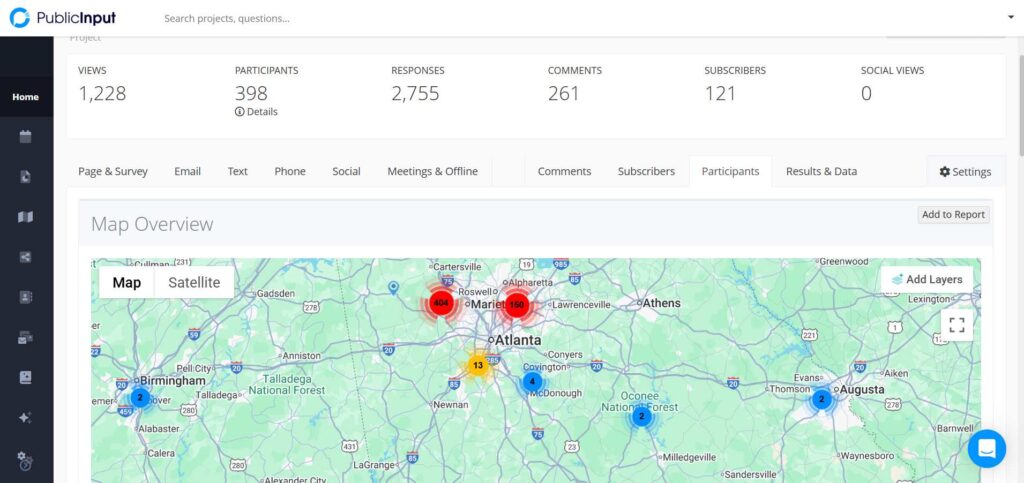
These numbers reflect more than compliance, they represent genuine engagement. Residents were able to share where they felt vulnerable, what hazards concerned them most, and which strategies they supported.
This made reporting easier, faster, and fully FEMA-compliant, and gave the Cobb County team richer data to guide their decisions.
How PublicInput Makes Hazard Planning Easier
Whether you’re a regional planner, a municipal emergency manager, or a consultant helping multiple agencies, here’s how PublicInput supports better hazard mitigation planning:
Broaden your reach beyond the usual suspects with:
- Multilingual, mobile-optimized surveys
- SMS/text engagement
- Embedded tools that live on your website
- Social media integrations and contact list targeting
Understand who you’re hearing from with built-in demographic analysis that helps you:
- Identify gaps in participation
- Compare feedback by zip code, income level, language, and more
- Ensure you’re meeting equity and inclusion goals

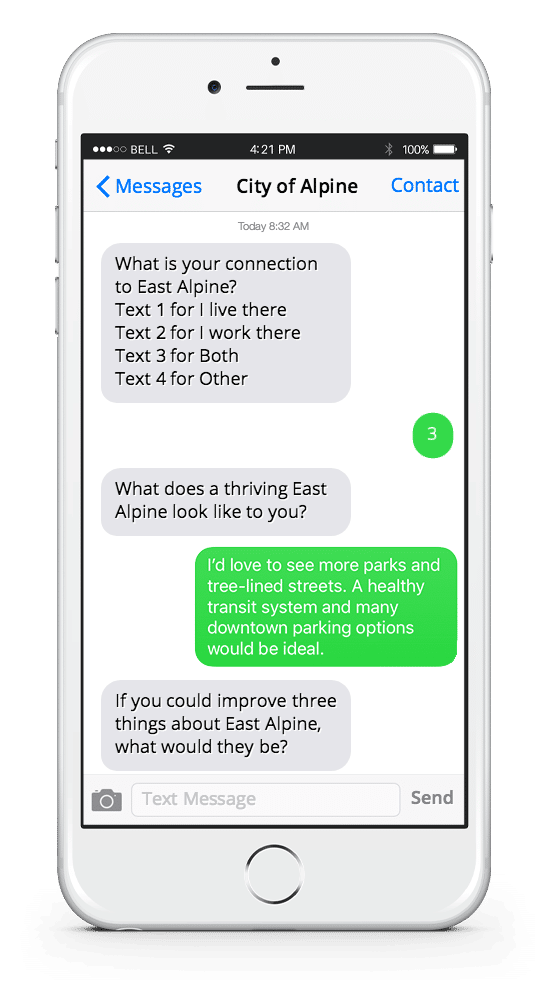
Capture input that’s structured and searchable. No more copy-pasting from pdf comment forms. With PublicInput you can collect:
- Map-based input tied to locations
- Coded and tagged open-ended responses
- Easy-to-compare data visualizations
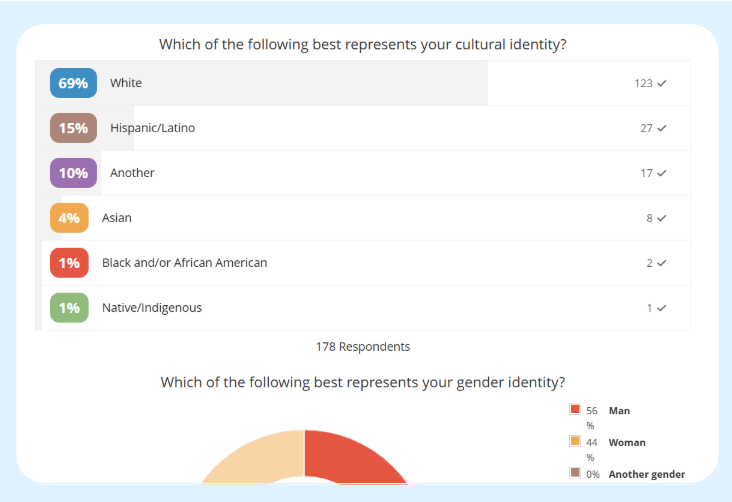
Report with confidence by creating export-ready reports with:
- FEMA-compliant documentation
- Automatic summaries of participation by geography and demographics
- Data that’s easily shared across departments or with consultants
Collaborate Across Jurisdictions:
If you’re working on a regional plan, or coordinating across cities and counties, PublicInput gives you a shared platform for visibility, coordination, and consistency.
Ready to Make Your Next Hazard Mitigation Plan Easier and More Inclusive?
PublicInput makes it simple to build resilient, community-informed plans—without adding extra stress to your plate.