
Public Involvement Best Practices For Transportation Planning
What’s wrong with the current state of public involvement in transportation planning?
For planning organizations, a handful of persistent challenges have become hurdles to equitable, meaningful civic engagement:
- A lack of certainty in the ability to reach residents and offer equitable opportunities
- Residents are less likely to engage because of a lack of access or mobility
- Disjointed tools don’t capture virtual and traditional efforts in one place
- Siloed data makes it burdensome to report back to the public and defend decisions
- Manual processes make it difficult to comply with regulatory mandates
Without clear metrics of success for civic engagement and the appropriate public involvement platforms, it can be difficult to meet the expectations and requirements of a Public Involvement Plan – much less the myriad of state and federal policies that address public participation. Disjointed community outreach tools demand that MPO professionals master skills outside of their core competencies, leading to more work without optimal outcomes.
Forward-thinking transportation planning organizations are applying all-in-one public involvement software that integrates traditional and digital civic engagement.
The 5 Building Blocks Of Public Involvement
Analyzing hundreds of transportation planning projects, survey responses, and interviews with MPO professionals, a handful of key themes have emerged. These themes can be summarized as five building blocks of successful public involvement:
REACH
Understand who’s missing and apply targeted outreach to gather meaningful, representative civic engagement
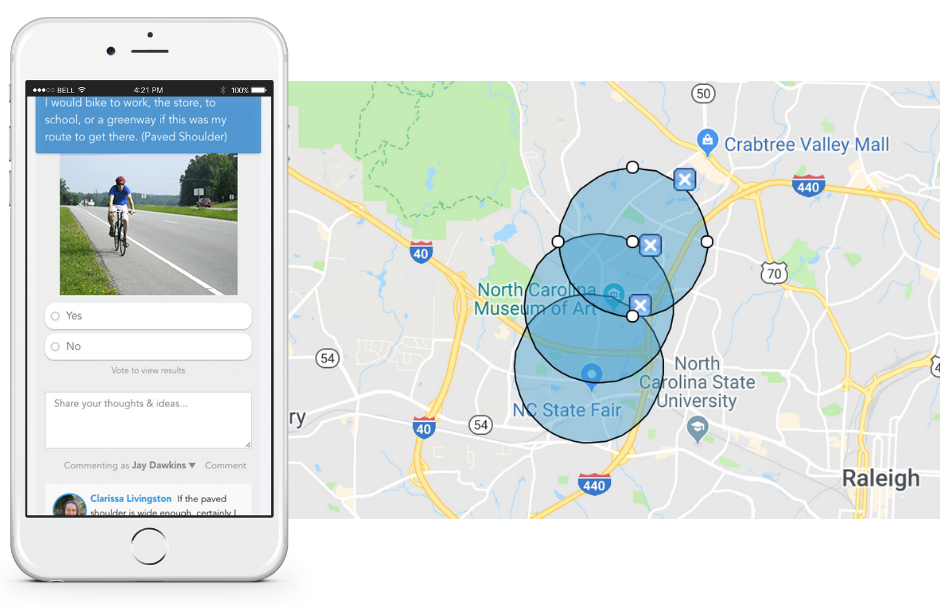
- Layering GIS data of demographics on an interactive map of community engagement with Equity Mapping
- Selectively target traditionally underserved voices via social media
- Geofence potentially impacted communities directly from a CRM built for government
- Quantify public involvement gaps with census data comparison
- Extend your reach with partners and targeted media placements
- Track participation with self-identifying location tools and Geo IP data that prioritize privacy
ENGAGE
Increase quality and quantity of civic engagement by lowering the barriers to participation.
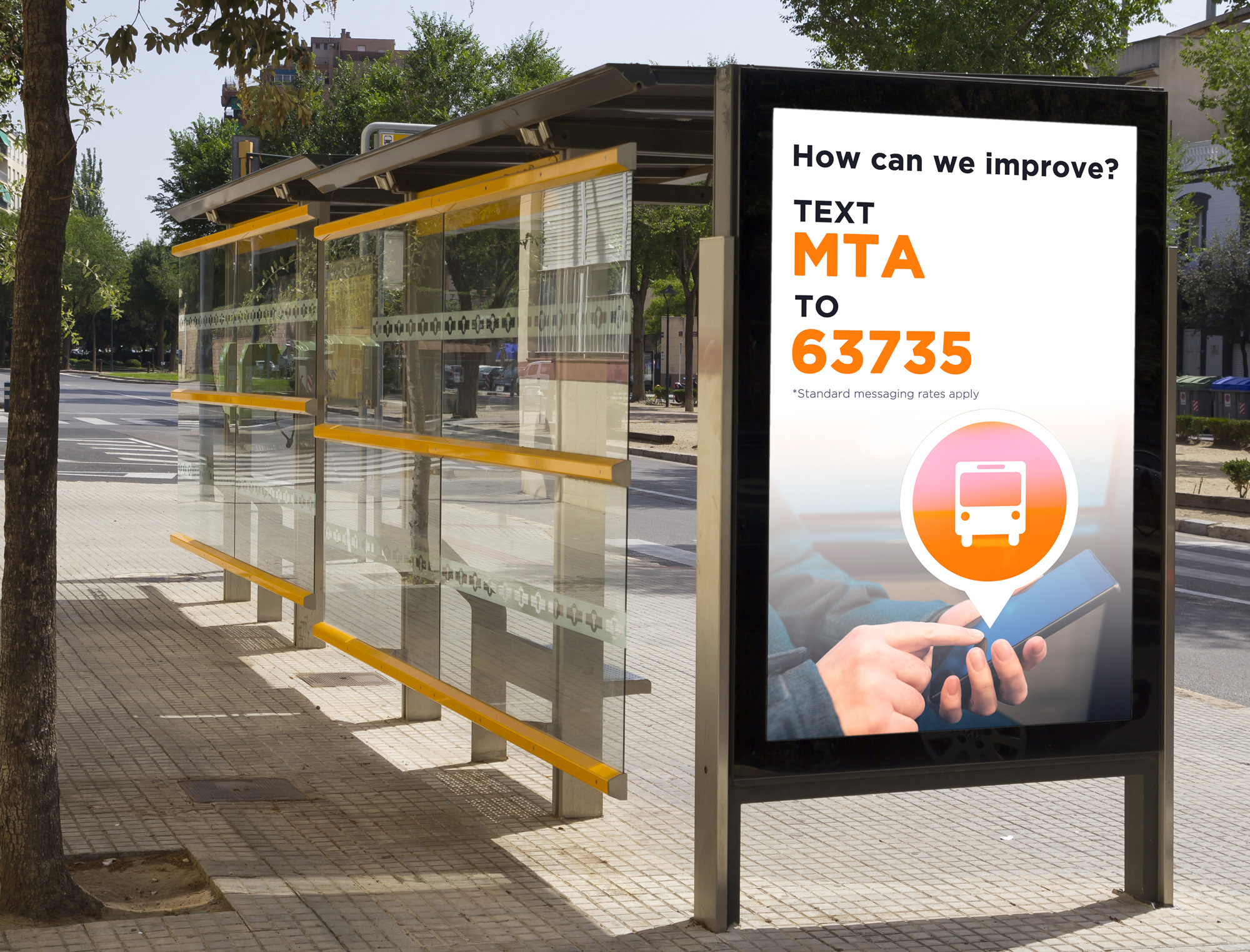
- Meet residents where they are with mobile-friendly websites, text messages, email, and online town halls
- Create equity across multiple formats with uniform civic engagement
- Ensure representative participation and equitable influence at public meetings
- Gather input with 20+ dynamic question types, including interactive maps
- Increase LEP population participation with multilingual translation across all outreach
- Streamline email and SMS outreach with built-in segmenting and outreach tools
CAPTURE
Bring together traditional and digital civic engagement with a CRM for government
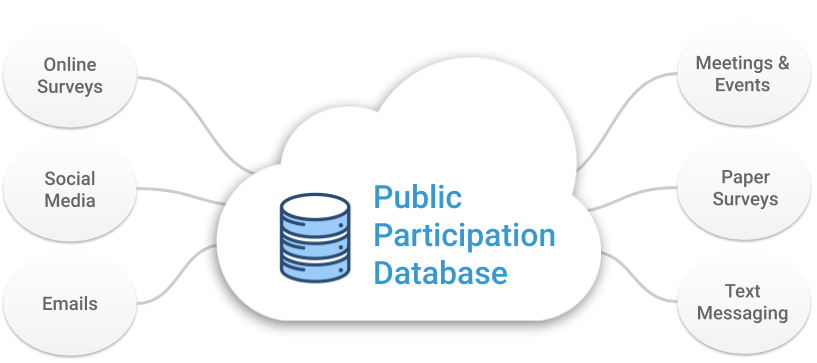
- Combine all communication and digital civic engagement into one public involvement software
- Catalogue resident information and follow their participation history
- Create segmented contact lists based on geographic areas, interests, or demography
REPORT
Build public trust and defend your decisions with clear community stories.
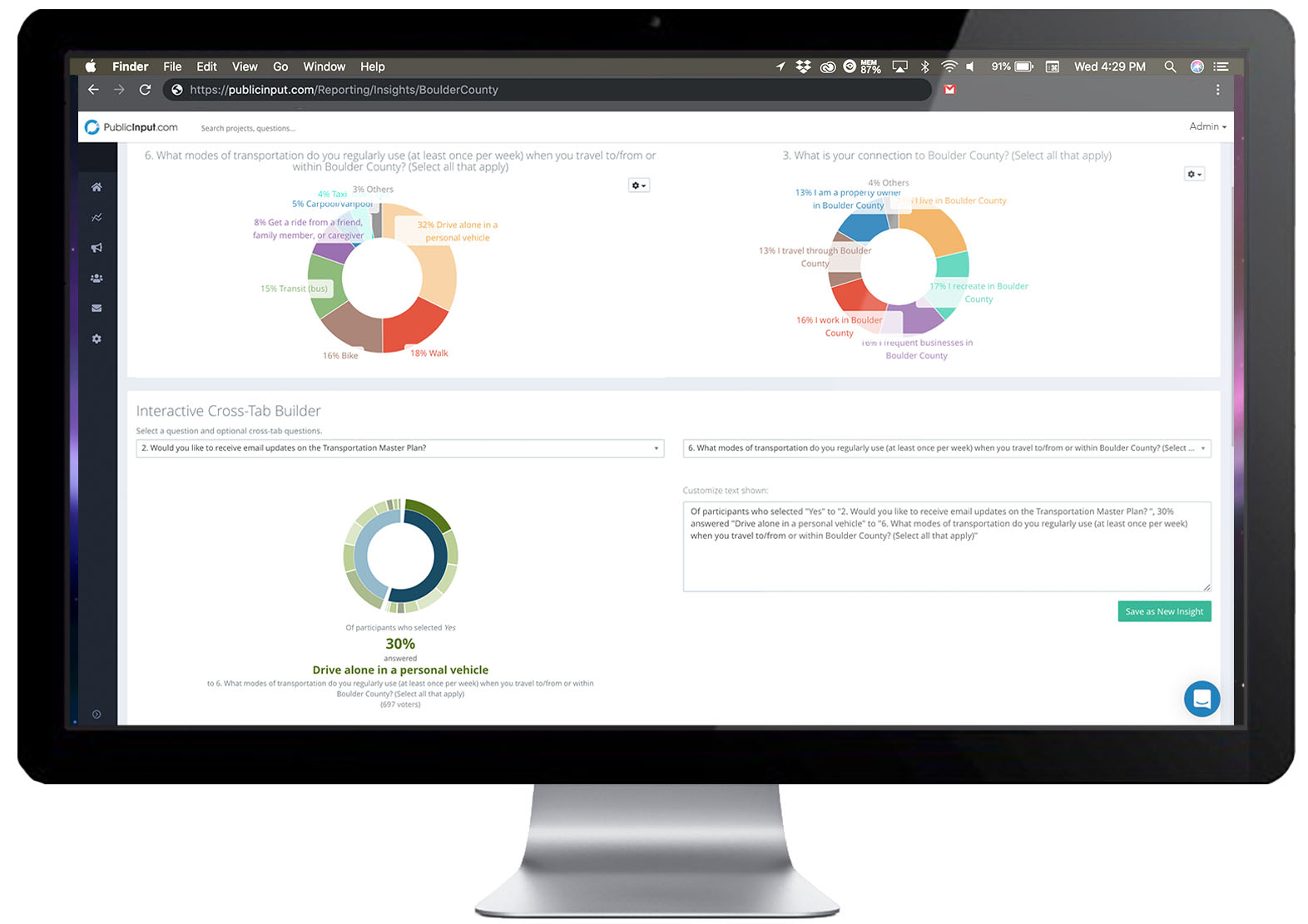
- Aggregate comments from all civic engagement channels
- Find common themes with comment tagging and analysis
- Quickly visualize data using 20+ formats
- Share real-time results, embed data visualizations into websites and emails, or create meeting-ready reports
COMPLY
Enjoy peace of mind with built-in compliance
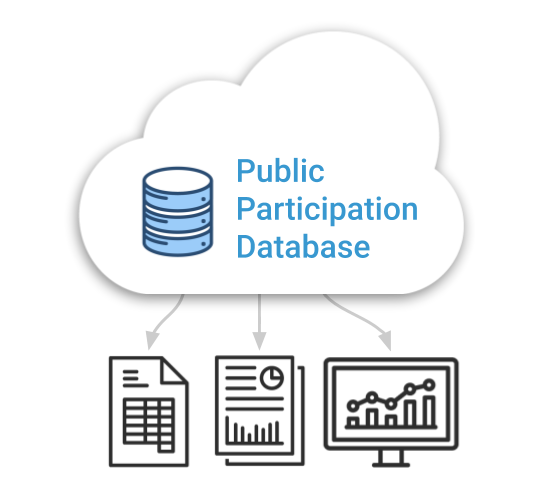
A “single source of truth” for civic engagement simplifies documentation and report generation
- Ensure accuracy and reduce human error with automated processes
- Keep data organized in a way that is easy to understand
- Automatically document all input and communication
Best practices for public involvement plans
After surveying transportation planning professionals nationwide, PublicInput has put together Integrated Public Involvement: The MPO Guide To Success Across Virtual & Traditional Methods.
Based on input compiled from MPOs serving populations of 200,000+, the guide serves as a go-to resource for all MPOs to improve the public involvement process, from outreach to implementation.
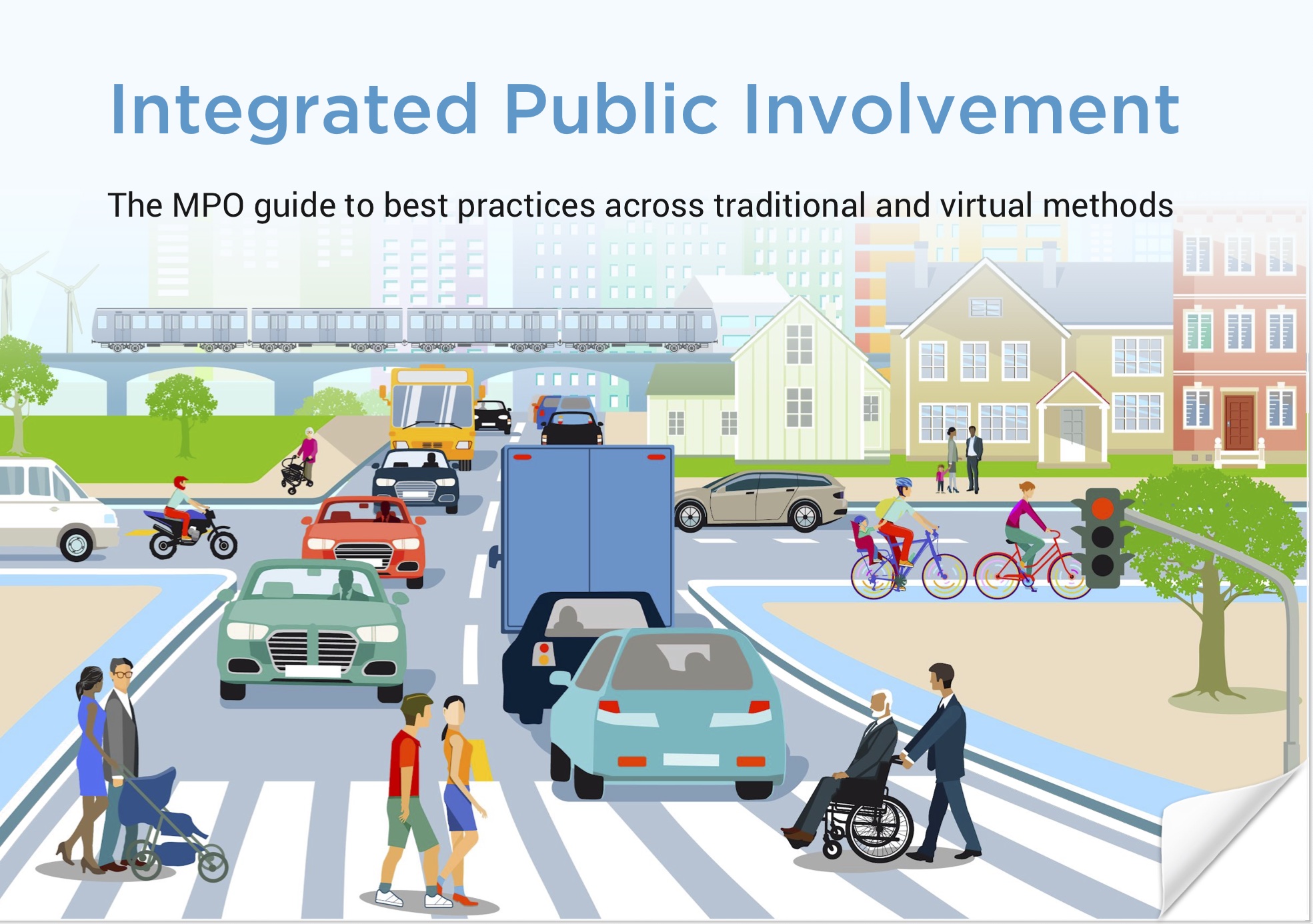
The guide provides insight on essential questions such as:
- How do you reach residents without having to be everywhere at once?
- How do you engage under-represented and impacted communities?
- How do you report findings in a way that increases trust with residents and stakeholders?
What we heard:
- 69% of participants agreed with the statement, “There is a direct correlation between increased participation and increased workload.”
- 88% of Communicators and 77% of Executives ranked building a public participation database as either “Important” or “Very Important”.
- 97% of participants said reaching potentially impacted communities was “Important” or “Very Important”
- 91% of participants said gathering a representative sample by demographic was “Important” or “Very Important”
Make a plan for public involvement success
Building stronger relationships and smarter decision-making starts with three steps:
- Schedule an intro call to learn more and discuss your current process
- Receive a custom implementation plan tailored to your organization
- Schedule an onboarding call to train key staff members on new tools and processes