
The Overlooked Step in Community Health Assessment: Listening to the People Behind the Data
Every community health assessment (CHA) starts with a noble goal: understand what people need to live healthier lives. But while we rigorously analyze datasets, conduct surveys, and compare health trends — one critical step is too often overlooked:
Listening. Not just checking in — truly listening to the people behind the numbers.
For public health professionals, local governments, and engagement practitioners, the CHA is more than a report — it’s a chance to rebuild trust and center equity. But this only happens when we make space for real voices, not just data.
In this post, we’ll break down how to lead a CHA that goes beyond compliance — one rooted in community-defined priorities, inclusive engagement, and data that actually reflects lived experience.
What Is a Community Health Assessment — and What’s Missing?
A Community Health Assessment is a structured process used by public health professionals to gather data, identify health priorities, and inform planning efforts.
Traditionally, this involves:
-
-
- Quantitative data collection (health statistics, hospital records)
- Stakeholder consultation (local health officials, nonprofit leaders, and elected officials)
- Strategy development based on findings (prioritizing chronic disease prevention, mental health services expansion, or resource allocation)
-
But here’s the catch: if the people experiencing the outcomes aren’t part of the process — the result is often incomplete or worse, misdirected.
What’s missing?
-
-
- Input from residents with the most urgent needs
- Stories that humanize and contextualize the numbers
- Channels that support easy, equitable participation
-
How to Build a Community-Centered Health Assessment
Adapted from the Drexel University Six-Step CHA Framework — here’s how to implement each step with deep listening, inclusive engagement, and PublicInput tools that make it scalable:
Step 1: Form a Diverse, Representative Planning Team
Skip the assumptions. Start with real people.
-
-
- Include residents, community organization leaders, young people, and frontline workers — not just the institutions.
- Invite trusted messengers to help lead engagement — especially from groups historically left out of planning processes.
- Keep track of who is on your team so you can see if you’re actually being representative.
-
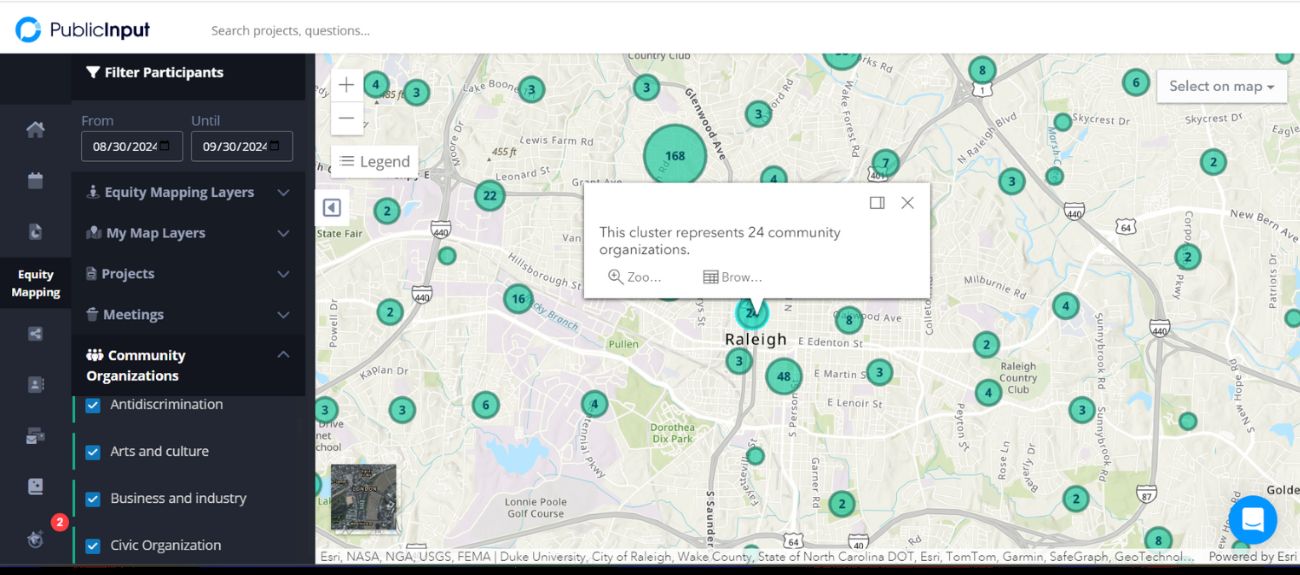
Above Image: Use PublicInput’s Community-Based Organizations Database, stakeholder mapping, and targeted invitations to ensure underrepresented voices are part of the process from the start.
Step 2: Define a Shared Vision Through Community Input
Let people tell you what “healthy” actually means to them.
-
-
- Facilitate visioning sessions using live polling, comment walls, or multilingual surveys.
- Ask open-ended questions like: What would make your neighborhood healthier?
- Use word clouds or thematic summaries to visualize the top values.
-
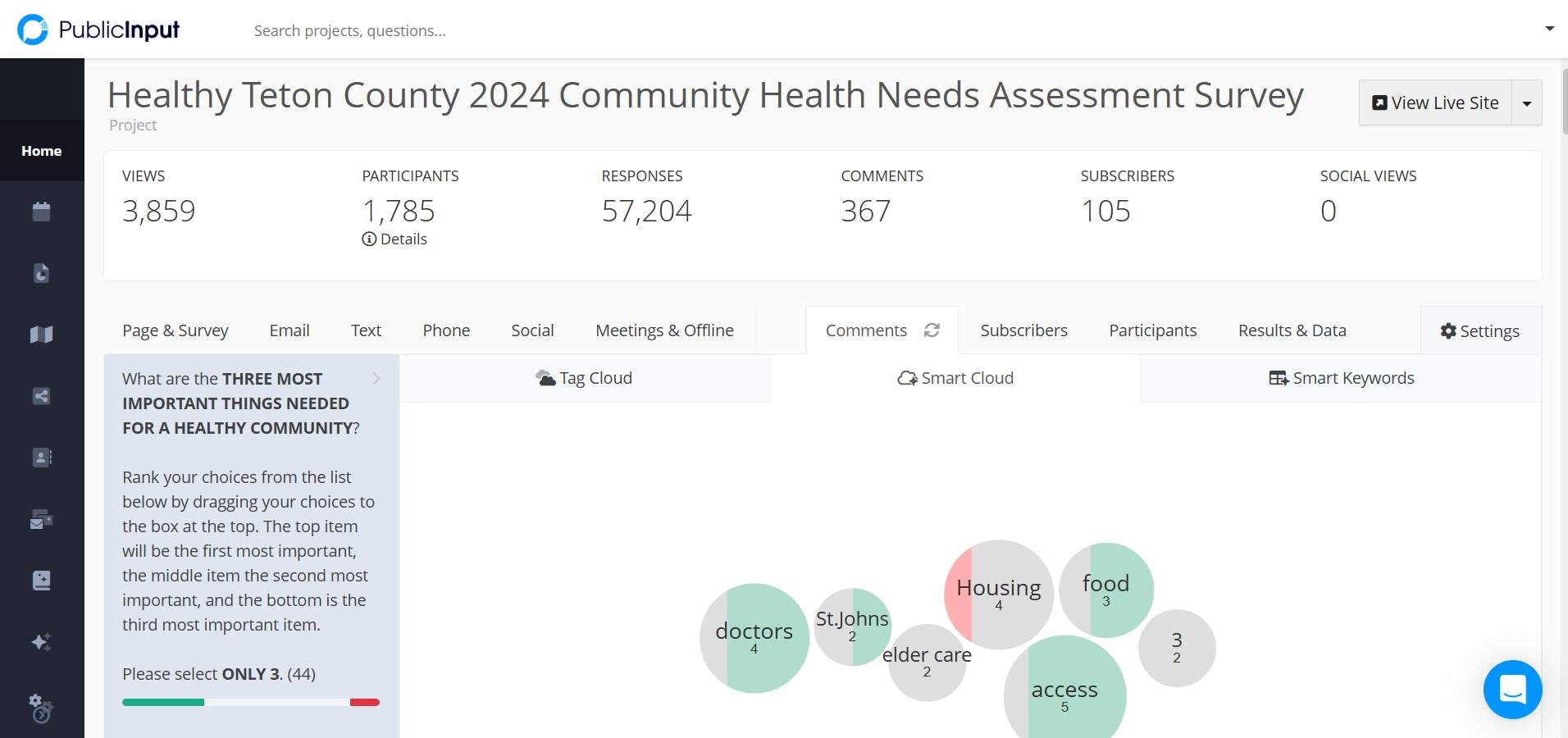
Above Image: Use GPT-powered analysis in PublicInput to visualize community feedback in real time — from word clouds that highlight top themes to sentiment color coding that reveals how people feel.
Pro Tip: Co-write your mission statement using participant quotes or priorities shared during engagement.
Step 3: Pair Data with Community Wisdom
Don’t just show the data — ask people to make sense of it with you.
-
-
- Use mapping tools that layer health data with what residents are telling you (like pairing asthma rates with air quality complaints).
- Invite residents to annotate or respond to maps and charts — turning passive data into interactive dialogue that builds shared understanding.
- Host listening sessions (online or in-person) to double-check that your insights make sense to the community.
-
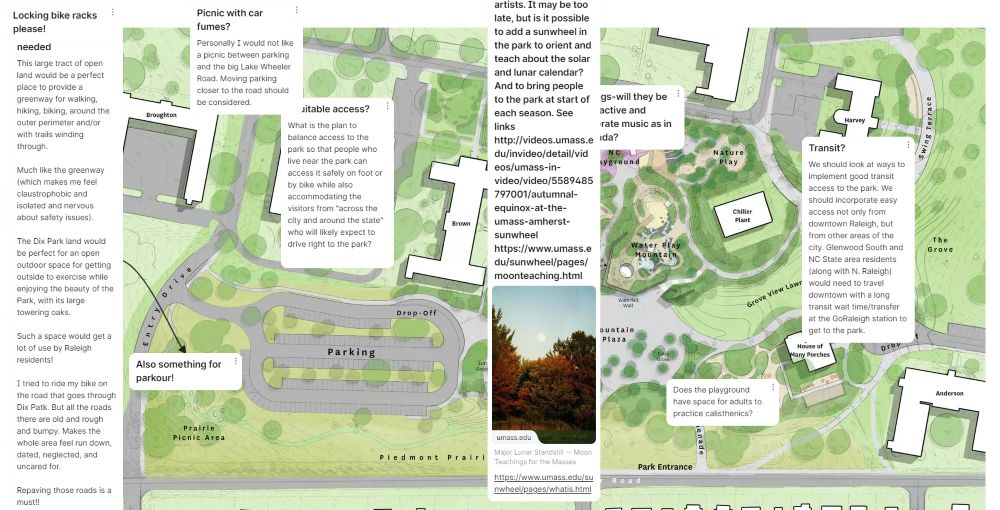
Above Image: PublicInput interactive questions invite residents to pinpoint areas of concern or opportunity, fostering richer conversations by connecting data with real-world experiences and insights.
Step 4: Identify Priority Issues Together
Let community voices shape the agenda — not just respond to it.
-
-
- Share both your number-crunching results and the themes you’re hearing from people.
- Ask residents: Does this match what you’re experiencing? What feels most urgent to you?
- Use voting and prioritization tools so people can pick their top concerns.
-
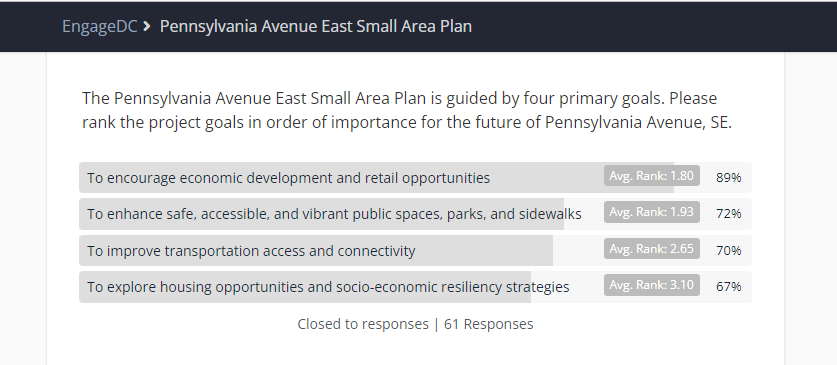
Pro Tip: Check your demographic breakdown to see who’s participating so far — then adjust your outreach to fill the gaps.
Step 5: Engage Equitably and Continuously
Meet people where they are — in every sense.
-
-
- Offer multiple ways to engage: in-person, online, text message, even old school mailers.
- Translate everything and team up with trusted local voices to spread the word.
- Embed comment widgets or surveys right into local organization websites.
-
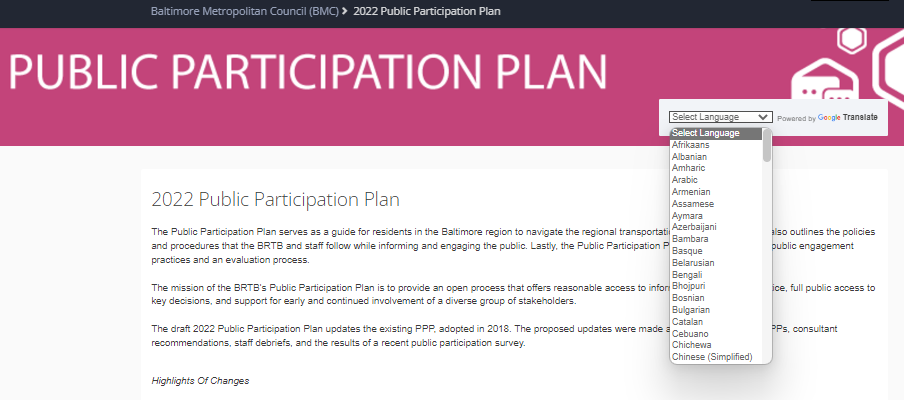
Above Image: PublicInput’s expanded translation tools support over 100 languages, helping ensure residents can participate in their own words across surveys, meetings, emails, and public comments.
Step 6: Share Results and Keep Listening
Following up builds trust. It’s that simple.
-
-
- Tell people what you heard and what you’re planning to do about it.
- Keep sharing updates through email, social media, mailers, and community partners.
- Transform your project or survey pages into engagement summary hubs — designed to share engagement summaries, key results, and next steps in a clear, accessible format
-
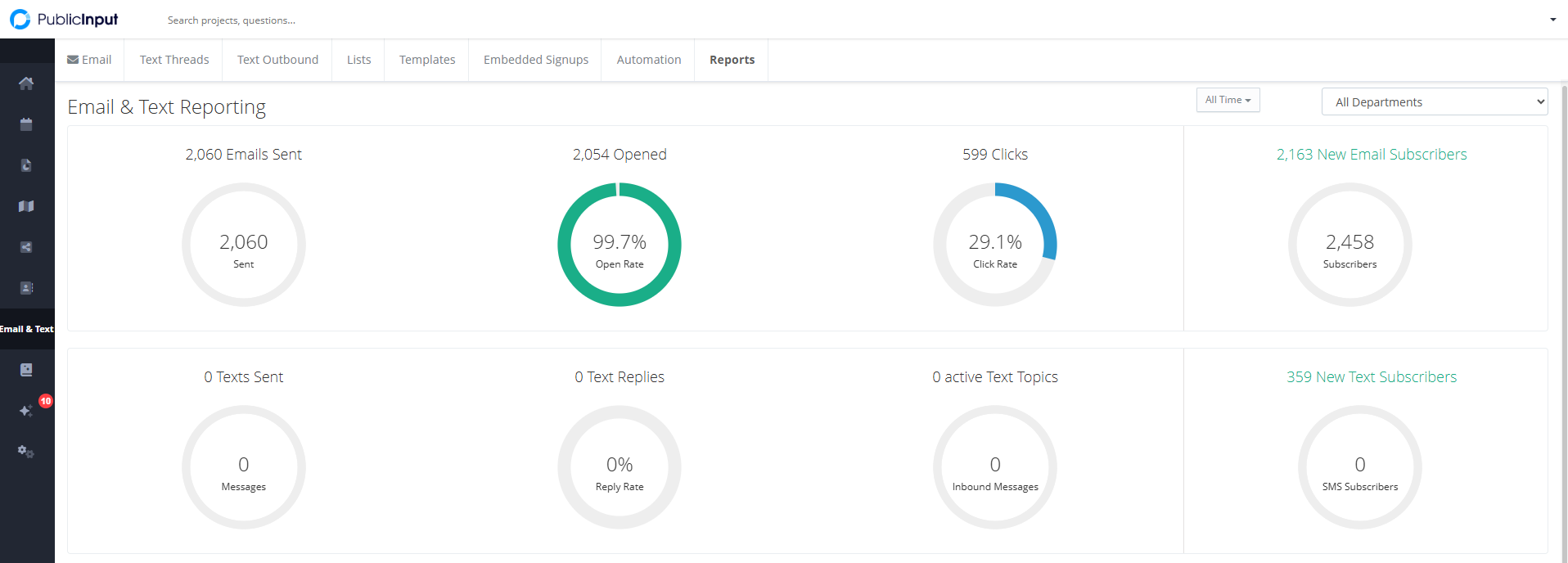
Above Image: With PublicInput, you can send reminders, close the loop, and track all responses in one place.
Case Study: Teton County’s Community Health Assessment
Teton County, Wyoming, used the PublicInput platform to lead a community health assessment that engaged 1,758 participants, generated over 57,000 responses, and captured 381 narrative comments.
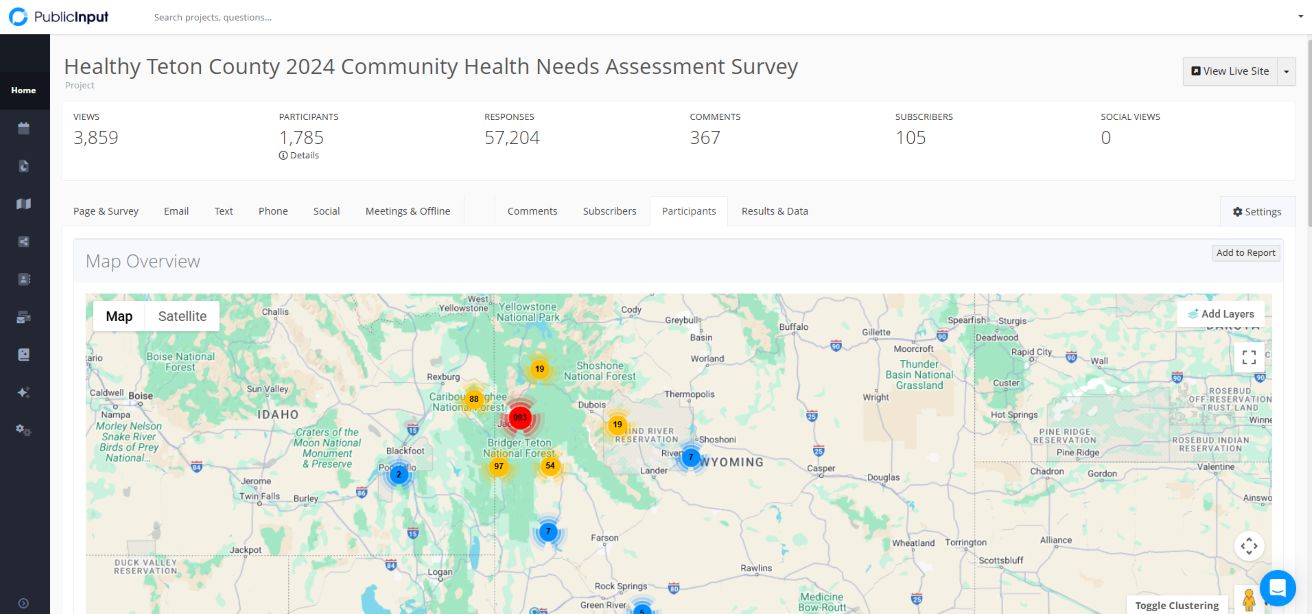
Rather than relying solely on secondary data, the county designed a multilingual, interactive engagement process — embedding surveys and feedback tools directly into their project page to make participation easy and accessible.
Their approach is a model for what it means to listen at scale — and the resulting insights are now shaping local policy and public health strategy, grounded in authentic community voice.
Listening Is the First Step Toward Healing
The most important insights don’t come from the top-down — they come from the sidewalk, the school parking lot, the community meeting where a parent shares a story that changes your perspective.
That’s the power of listening in community health assessments. If we want to build healthier communities, we need to start by hearing them.
Here’s how to take action:
-
-
- Start listening before you start planning.
- Use data to spark conversations, not end them.
- Ask open questions and resist the urge to jump to solutions.
- Make it easy for people to participate, no matter what language they speak or device they use.
- Share updates even when you don’t have all the answers yet.
-
Ready to Make Listening Your Strategy?
Want to transform your next health assessment into a trust-building tool?
Let us show you how PublicInput helps agencies engage more residents, close the feedback loop, and tell more inclusive stories.